


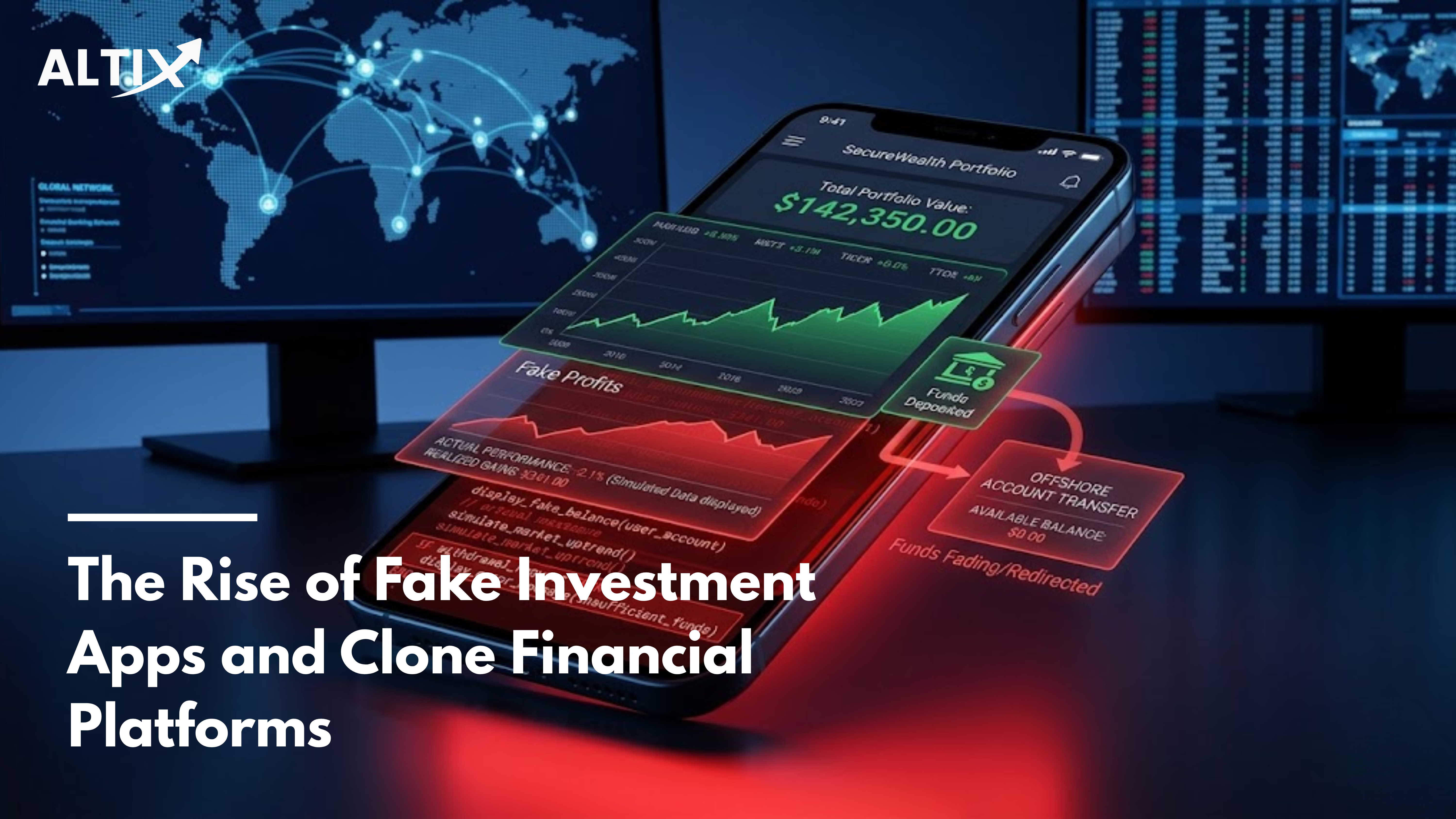
For years, financial fraud relied on convincing people to trust strangers.
Today, criminals have discovered something more effective.
They no longer need victims to trust a person.
They only need victims to trust an app.
A growing number of regulators worldwide are warning about cloned investment platforms, fake banking applications, and fraudulent trading apps designed to look indistinguishable from legitimate financial institutions.
Victims are not sending money to obvious scammers.
They are interacting with interfaces that appear professional, regulated, and trustworthy.
And that is exactly why the losses are becoming so significant.

The New Face of Investment Fraud
Modern investment fraud increasingly follows a similar pattern.
A victim discovers what appears to be:
• a legitimate investment platform
• a professional wealth management service
• a trusted broker
• a recognized financial brand
The website looks authentic.
The mobile application functions normally.
Customer support responds.
Account balances increase.
Performance reports look convincing.
Everything appears legitimate until withdrawal requests begin.
Then the problems start.
The profits were never real.
The platform was never legitimate.
The money is gone.

Why This Scam Is Different
Traditional scams often depended on deception through communication.
Clone platform fraud depends on deception through infrastructure.
Victims are no longer manipulated primarily through conversations.
They are manipulated through user experience.
The fraud is embedded directly into the platform itself.
That makes detection significantly harder.
The platform creates the illusion of legitimacy from the first interaction to the final loss.
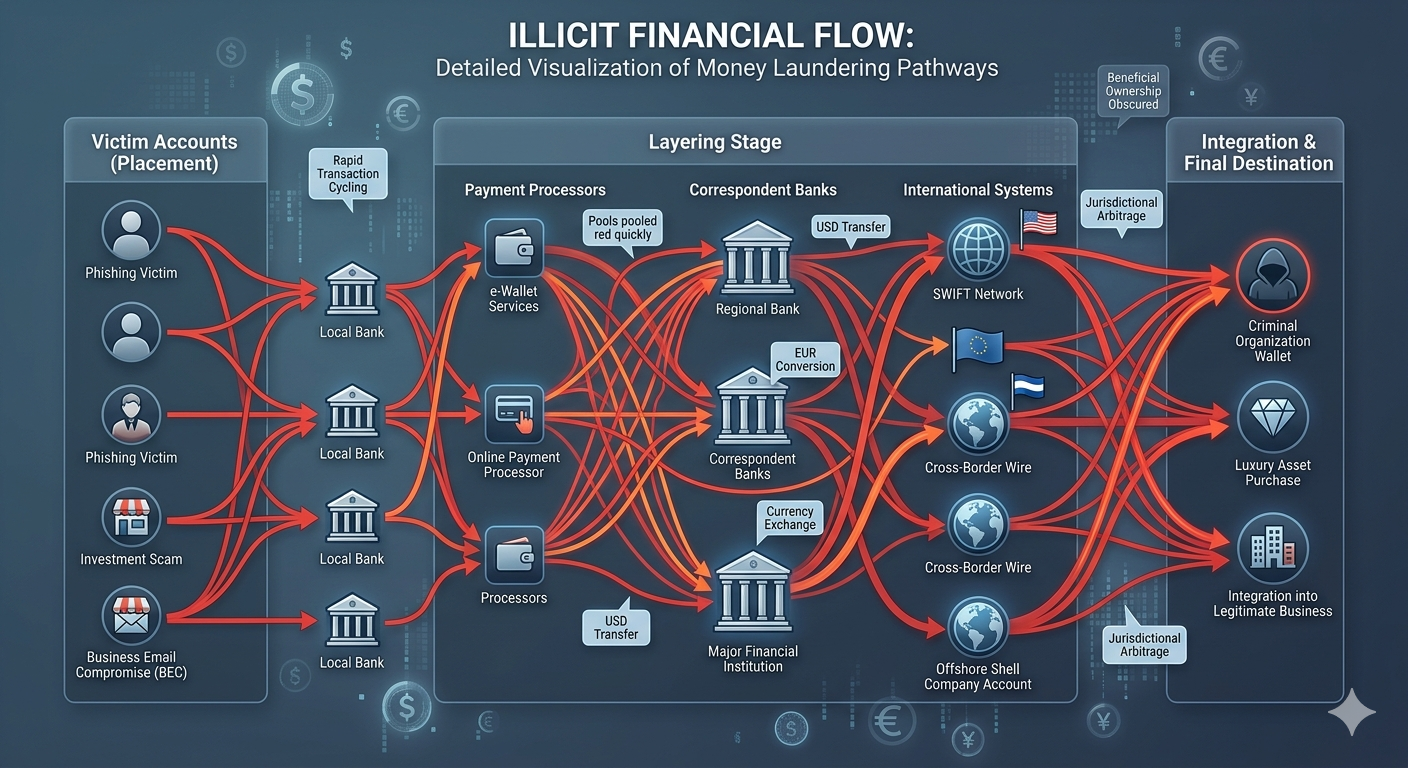
The Banking Layer Most Victims Never See
What makes these cases particularly important is what happens behind the scenes.
Funds typically move through:
• regulated banking systems
• payment processors
• crypto exchanges
• intermediary accounts
• international payment rails
The financial infrastructure remains real.
Only the investment opportunity is fake.
This creates an important distinction.
The fraud may begin on a fraudulent platform, but the money still travels through legitimate systems.

The Financial Dispute Angle
Historically, victims were told there was little that could be done.
That is changing.
Modern investigations increasingly examine:
• onboarding procedures
• payment pathways
• transaction monitoring activity
• AML controls
• suspicious account behavior
• intervention opportunities
The question is no longer only:
"Was the platform fraudulent?"
The question increasingly becomes:
"What happened after the money entered the financial system?"

Why Banking Experience Matters
Understanding these cases requires more than cybersecurity expertise.
It requires understanding:
• how banks assess risk
• how AML systems generate alerts
• how payment systems operate
• how compliance decisions are made
• how financial institutions investigate suspicious activity
This is where experience inside financial institutions becomes critical.
The strongest recovery strategies often depend on understanding how the system responded after warning signs emerged.
The Recovery Challenge
By the time victims discover the fraud:
• funds may have crossed multiple jurisdictions
• accounts may have been emptied
• assets may have been converted
• records may already be disappearing
Recovery requires:
• forensic tracing
• evidence preservation
• legal coordination
• financial investigations
• structured dispute management
Without a coordinated approach, opportunities disappear quickly.
Why This Matters Now
Fraud is becoming increasingly professionalized.
The next generation of scams will not look suspicious.
They will look regulated.
They will look institutional.
They will look legitimate.
That changes the challenge for banks, regulators, and recovery professionals alike.
The future of financial fraud is no longer about convincing victims to trust criminals.
It is about convincing victims to trust systems.
As fake investment platforms become more sophisticated, successful recovery increasingly depends on understanding the financial infrastructure that supported the movement of funds.
If you are dealing with investment fraud, cloned financial platforms, account losses, or complex cross-border recovery challenges:
Because modern recovery requires more than proving fraud occurred.
It requires understanding how money moved, where controls existed, and whether intervention opportunities were missed.
Source: Recent regulatory alerts and enforcement actions concerning fraudulent investment applications, cloned financial platforms, and digital investment scams across major financial jurisdictions.