


The Most Dangerous Scam Today Doesn’t Ask You to Click a Link
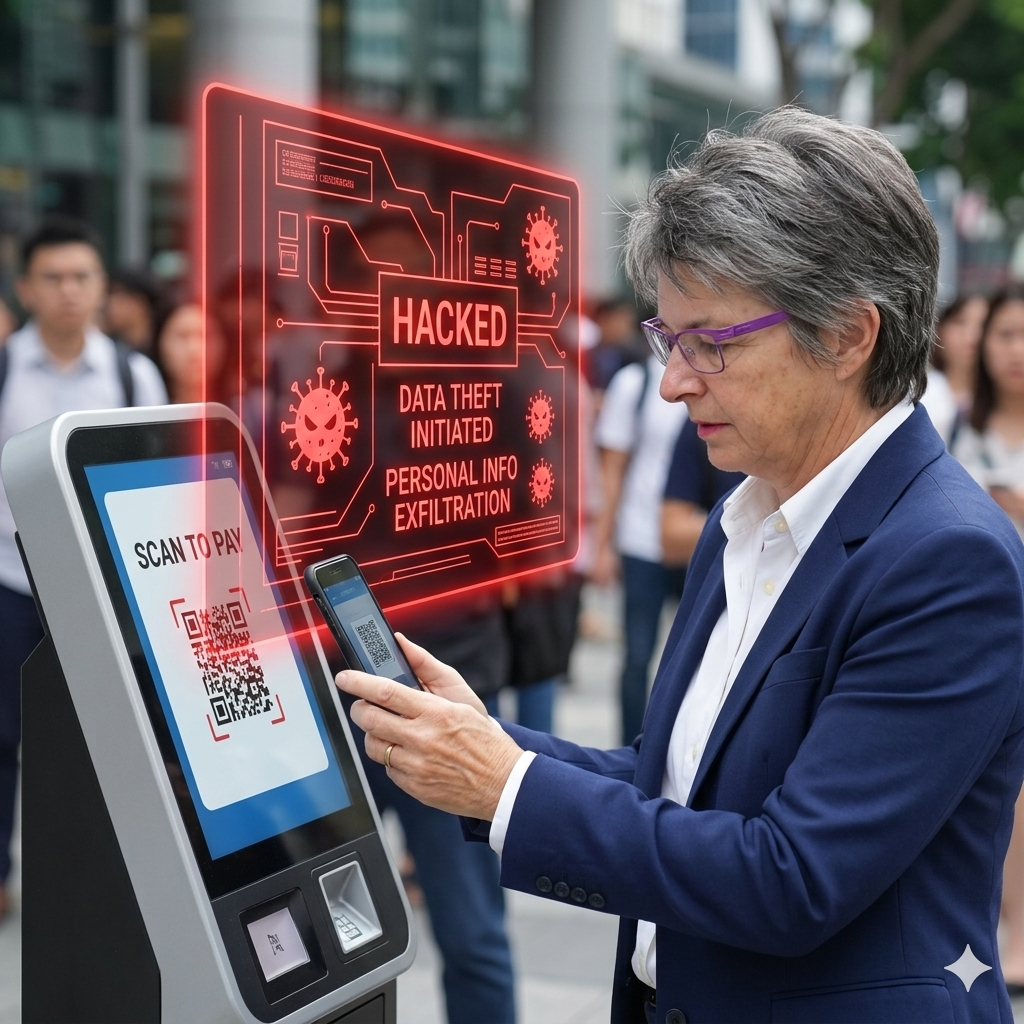
It asks you to scan a QR code.
At a parking meter.
Inside an email.
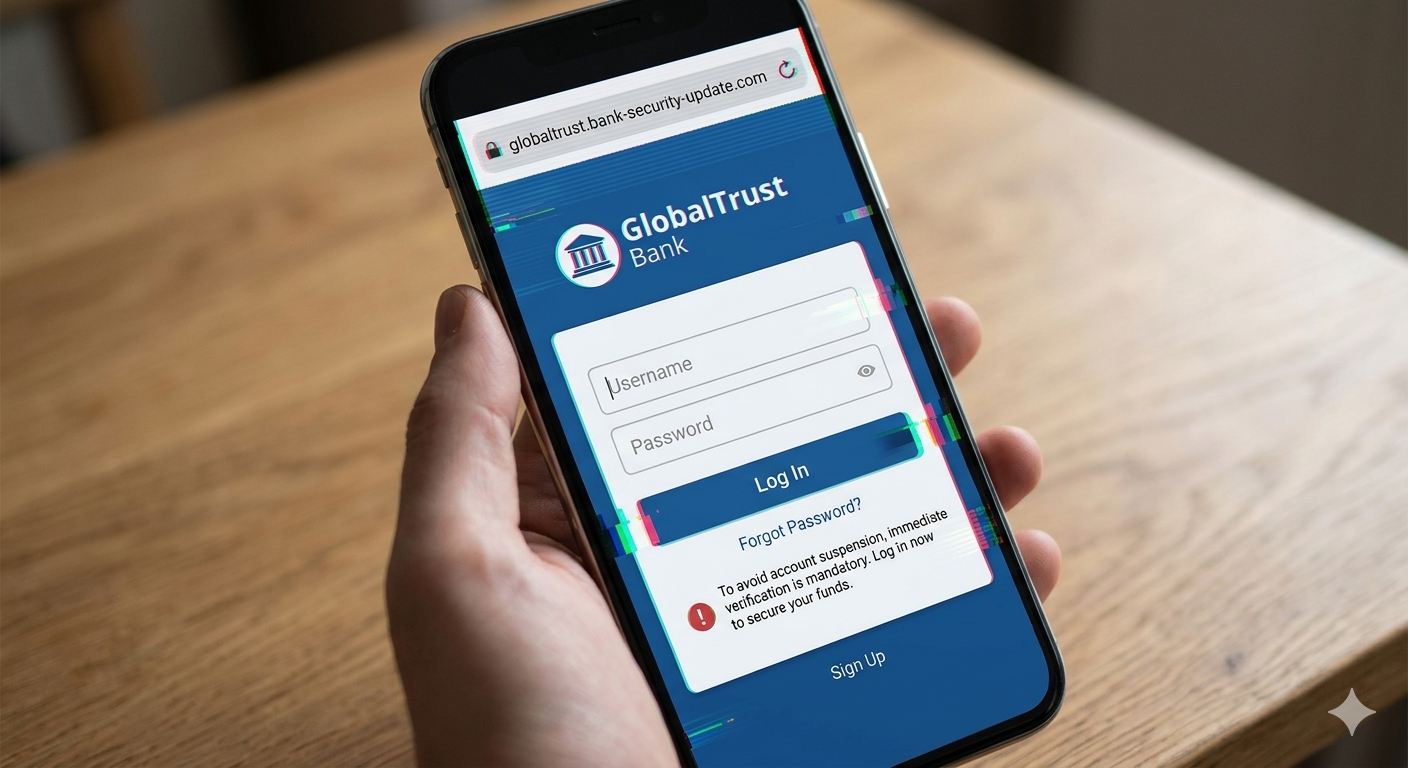
On a fake banking notice.
At a restaurant.
On a payment request.
Everything looks normal.
And that is exactly why it works.
This week, global cybersecurity agencies and financial institutions issued fresh warnings over the explosive rise of “quishing” scams, where fraudsters use malicious QR codes to redirect victims into fake banking portals, payment systems, and credential-harvesting sites. (csoonline.com)
What makes this different is not just the technology.
It is the psychology behind it.
Why QR Code Fraud Is Growing So Fast
QR codes bypass one of the last defenses people still rely on:
Suspicion.
Users are trained to distrust suspicious links.
But QR codes feel physical.
Trusted.
Routine.
Fraudsters now use them to:
• redirect victims to fake bank portals
• capture login credentials
• install malware on mobile devices
• trigger unauthorized payments
• compromise corporate systems
And because QR codes are difficult to inspect visually, victims rarely know where they are actually being sent.
The Banking Problem Nobody Wants to Talk About
Here is the uncomfortable reality:
Most quishing scams still end in a banking transaction.
Funds move through:
• regulated payment rails
• authorized transfers
• mobile banking systems
• real-time payment infrastructure
Which means the scam no longer sits only at the “user level.”
It enters the financial system itself.
That changes the nature of the dispute entirely.
The Institutional Accountability Shift
Globally, regulators and banks are now facing growing pressure around:
• transaction monitoring effectiveness
• scam detection systems
• mobile banking authentication flows
• customer protection obligations
Because in many quishing cases:
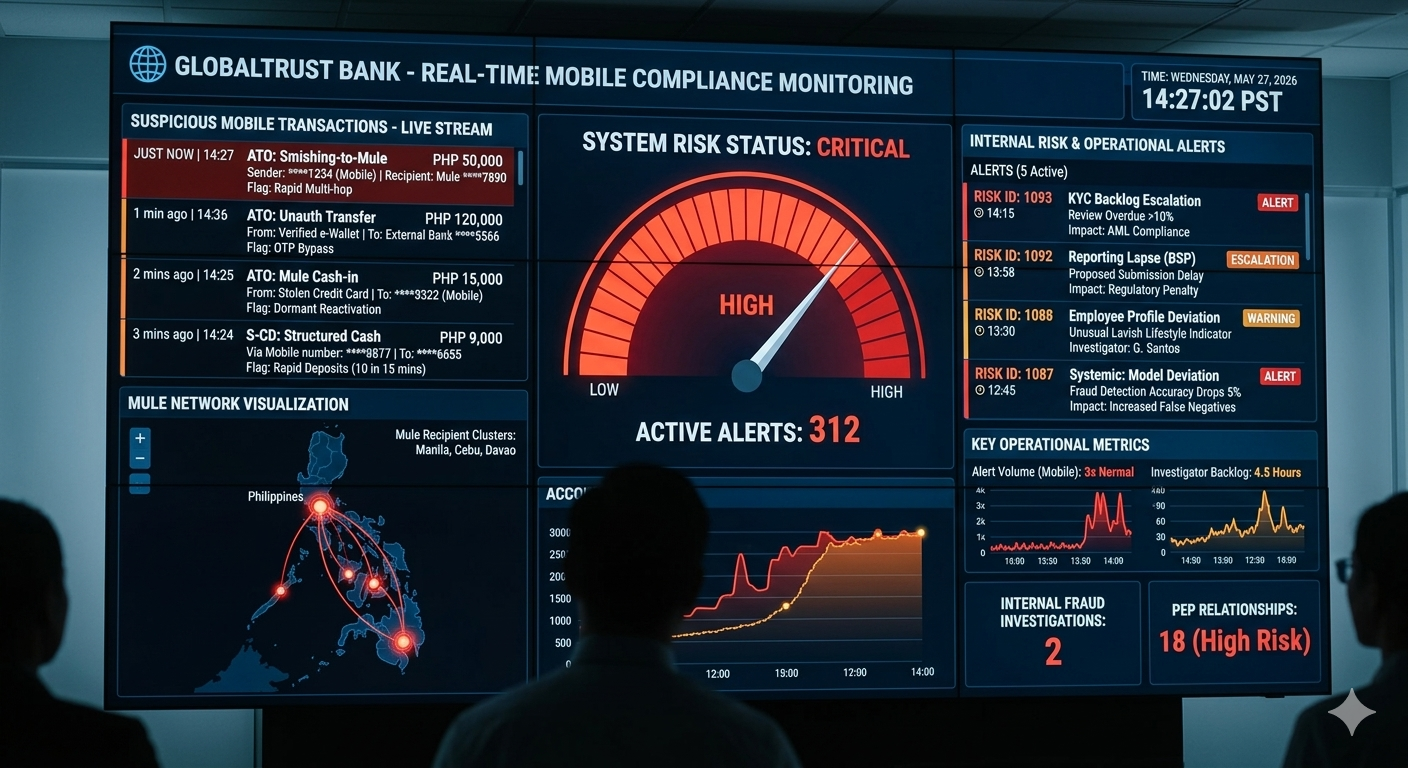
• abnormal payment behavior appears suddenly
• funds move rapidly into newly introduced accounts
• transactions trigger risk indicators internally
The key question becomes:
What did the institution detect, and how did it respond?
Why Mobile Banking Is Becoming the New Battlefield
Quishing scams are growing fastest on mobile devices.
That matters because mobile banking compresses:
• authentication
• authorization
• payment execution
into a single environment.
This creates speed.
But it also creates vulnerability.
Victims often move from:
QR scan → fake portal → banking login → payment authorization
within minutes.
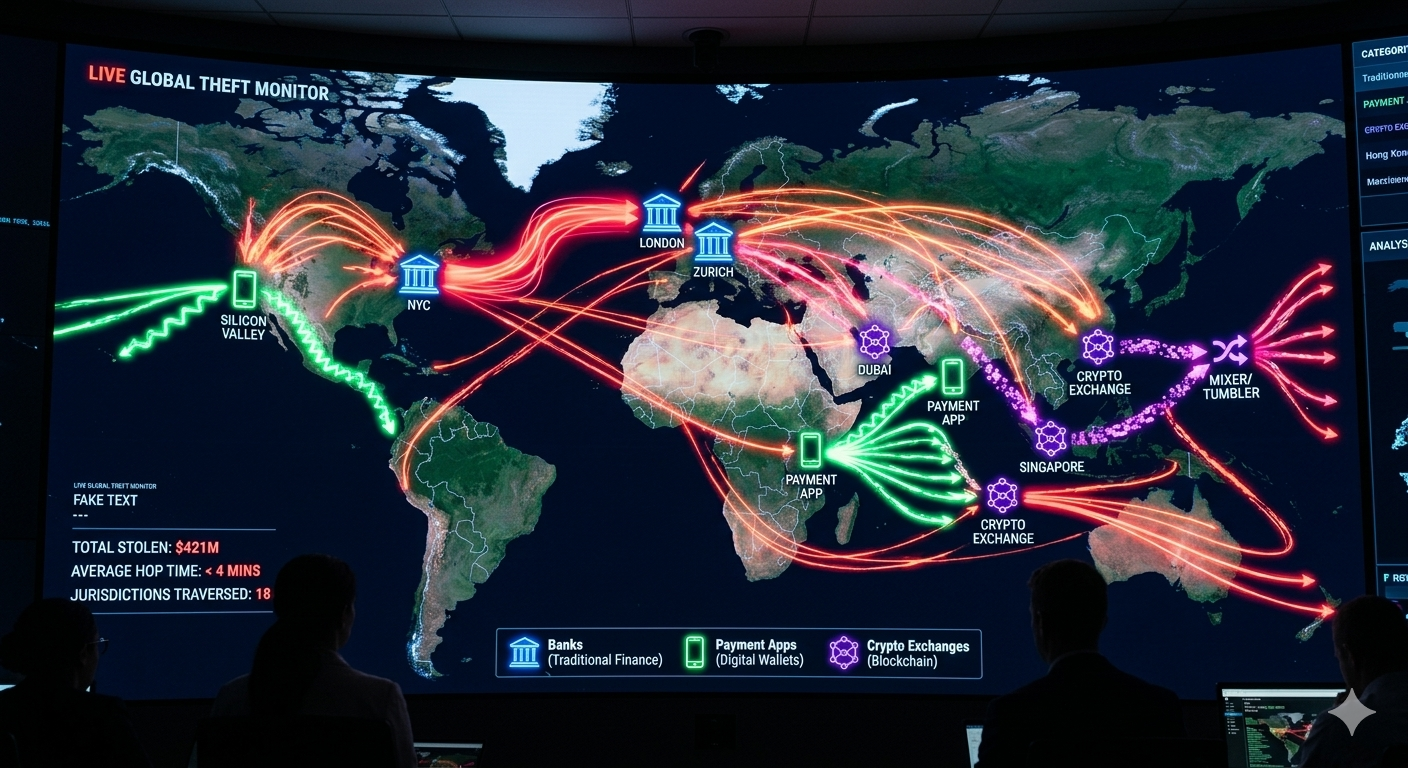
By the time fraud is recognized, funds may already be layered across multiple institutions or converted into digital assets.
What Most Victims Never Realize
Most victims assume:
“I scanned it, so it’s my fault.”
But recovery increasingly depends on something deeper:
Understanding how the financial system processed the transaction afterward.
In many cases:
• transaction monitoring systems generated alerts
• unusual payment patterns emerged
• mule-account indicators appeared
• escalation thresholds may have been triggered internally
This transforms the issue from simple fraud into a structured financial dispute.
Where Banking and AML Experience Become Critical
Understanding quishing-related disputes requires insight into:
• AML monitoring systems
• mobile payment authentication flows
• fraud escalation structures
• real-time transaction analysis
• banking operational response procedures
Because recovery depends not only on tracing the scam,
but on identifying where intervention opportunities existed inside the system.
This is where executive-level banking and AML expertise changes the conversation entirely.
The Bigger Global Shift
Quishing is not an isolated trend.
It reflects a much larger transformation:
Fraud is becoming infrastructure-driven.
Scams now exploit:
• trusted interfaces
• payment speed
• system automation
• operational pressure
• fragmented institutional accountability
This is why regulators worldwide are intensifying scrutiny around:
• scam reimbursement frameworks
• payment-system liability
• bank intervention standards
• cross-platform fraud coordination
The future of fraud recovery is no longer just technical.
It is systemic.

Why Recovery Is Becoming More Complex
Modern fraud recovery now requires:
• forensic tracing
• cross-border fund analysis
• freezing strategies
• institutional liability assessment
• structured legal coordination
Without speed and expertise, recovery windows disappear rapidly.
And most victims never even realize potential recovery pathways existed.
The Emerging Recovery Infrastructure
As scams evolve, recovery is becoming more structured.
Today, successful recovery increasingly involves coordination between:
• financial investigators
• legal specialists
• AML experts
• litigation funders
• cross-border enforcement teams
Platforms like ALTIX sit within this evolving ecosystem, helping connect viable cases with the expertise and infrastructure needed to pursue complex recovery actions.
Because modern fraud recovery is no longer reactive.
It is strategic, data-driven, and system-focused.
The most dangerous scams today do not break systems.
They exploit trust inside them.
That is why the future of fraud recovery will increasingly depend on understanding:
• how institutions responded
• what systems detected
• where intervention opportunities existed
• and whether safeguards operated as intended
For victims, legal professionals, investigators, and strategic partners navigating high-value fraud and scam disputes:
The next step is not simply reporting the fraud.
It is structuring the recovery correctly from the beginning.
📩 info@altix.exchange
🌐 www.altix.exchange
Because in today’s fraud environment, recovery is no longer about reacting after the loss.
It is about understanding the system behind it.