


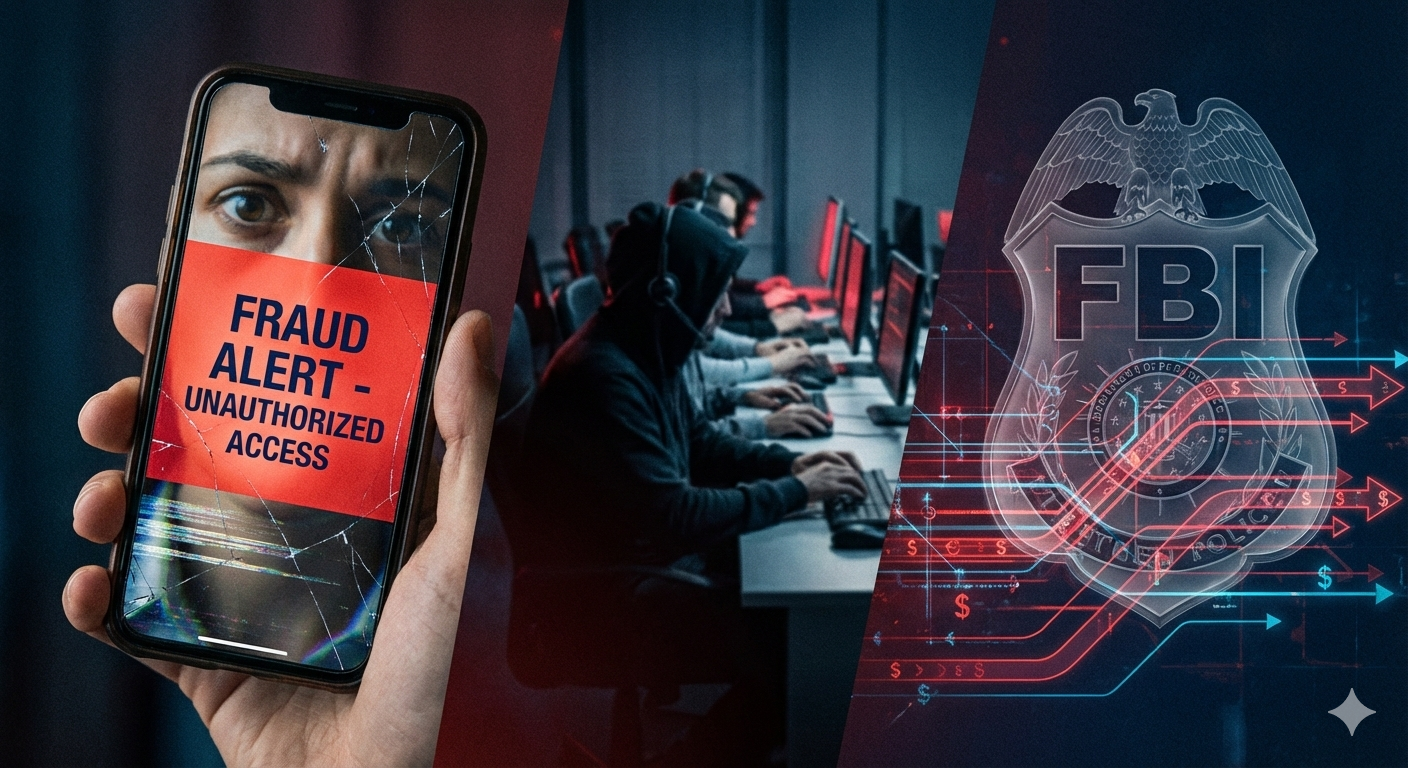
A highly sophisticated international fraud network that defrauded more than 650 American victims of over $48 million has been uncovered in Montgomery County, Maryland, in a joint investigation led by the FBI and local detectives.
Scammers impersonated tech support agents and even law enforcement officials, using phone calls, pop-ups, and messaging to coerce victims into handing over money through bank transfers, cryptocurrency, and even gold.
Despite arrests and seized evidence, authorities are already warning that most victims will likely never recover their funds due to the transnational nature of the schemes, hardened account structures, and lack of early documentation.
This case is not an outlier. It reflects broader trends in global fraud — bad actors are professionalizing, automating, and exploiting modern tech to scale scams with devastating impact. If scammers have evolved, so must victims’ strategies for recovery.

A New Breed of Fraud: Tech, Psychology, and Industrial Organization
Today’s fraud schemes are not one-off nuisance attacks. They combine:
• Organized Networks
Call centers with quotas, shared databases of victims, and layered laundering pathways. These are criminal enterprises, not amateurs.
• Tech-Enabled Impersonation
Scammers mimic banks, tech firms, and law enforcement to create psychological urgency and bypass skepticism.
• AI-Assisted Targeting
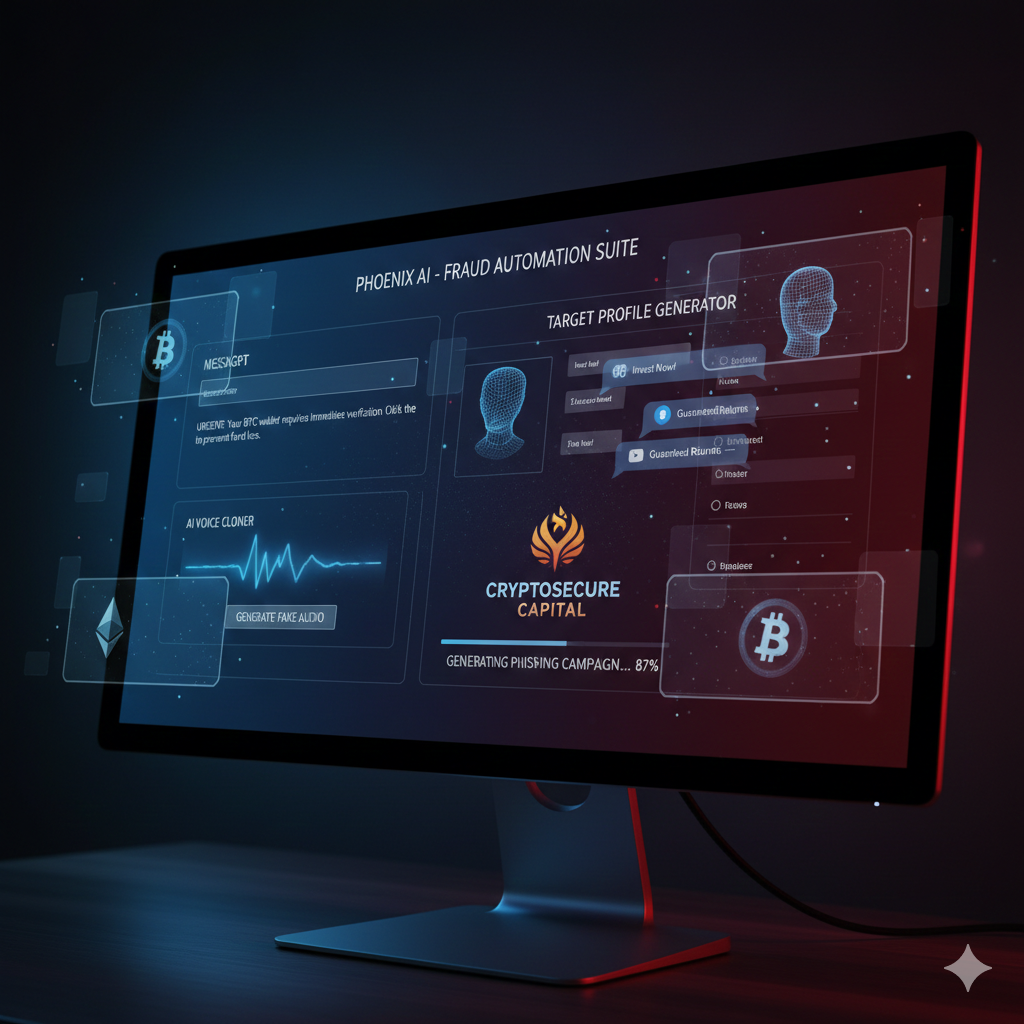
AI-enabled scams jumped sixfold in 2025, with voice cloning, language generation, and tailored social engineering making fraud more convincing than ever.
• International Reach
Call centers, network hubs, and laundering routes span borders, making jurisdiction and enforcement complicated and slow.
This globalization of fraud requires victims and recovery professionals to think globally about evidence and legal strategy.
Victims Still Lose Twice — Here’s Why
Even when law enforcement dismantles operations:
1. Arrests ≠ Recovery
Seizures and arrests make headlines, but civil restitution is a separate path. Criminal cases focus on punishment, not returning lost funds.
2. Evidence Decays Fast
Emails, phone records, POP-UPS, screenshots, timestamps — if not preserved properly early, they vanish or get corrupted.
3. Jurisdictional Barriers Spread
Funds, accounts, and servers often exist in multiple countries, complicating legal claims.
4. Psychological Damage Distorts Decisions
Victims may second-guess actions or delay reporting, further weakening recovery prospects.

What Most Victims Don’t Know (But Must)
A. Document Everything in Real Time
A photo of a pop-up, call log, scam site URL, and bank wire receipt are essential building blocks for any enforceable claim.
B. Platforms & Intermediaries Matter
Payment providers, banking rails, and messaging platforms often hold logs and trails that can be vital evidence yet are lost when victims don’t act quickly.
C. Civil Claims Are Critical
Relying only on criminal investigations rarely compensates victims. Civil claims with funding accelerators improve recovery odds substantially.
D. Funders Look for Structured Cases
Well-organized evidence packages that show loss, causation, and tracing are much more fundable than fragmented, chaotic submissions.

A Global Fraud Trend — Not Just One Case
This Maryland call center ring is just one headline. Data from global crime trends shows:
• AI-enabled scams rose sixfold in 2025, with sophisticated impersonation across multiple platforms.
• Human trafficking-fueled scam centers are expanding from Southeast Asia to West Africa and Central America.
• SMS scams have dropped, but scammers are pivoting to call-based and AI tactics.
• Consumer fraud continues to rise, accounting for tens of thousands of cases annually in some countries.
These trends show fraud is evolving rapidly — victims and legal recovery pathways must evolve faster.
Why ALTIX Matters Now
Modern fraud recovery cannot rely on traditional legal models alone. ALTIX exists to:
1. Standardise Complex Evidence
We help victims organise and preserve data in formats that funders and courts recognise.
2. Connect to Specialist Law Firms
Not all firms understand cybercrime, AI exploitation, and cross-border laundering. ALTIX knows which partners do.
3. Match to the Right Funders
Claims in today’s climate require capital for investigation, expert testimony, and legal action — ALTIX brings funding aligned to risk and recovery potential.
4. Speed Enables Recoveries
The faster a claim is matched, the better the odds of preserving leverage before key evidence decays or funds vanish.
If you or someone you represent has been targeted by a tech-enabled call fraud, impersonation scam, AI-assisted crypto bait, or any modern financial deception — you don’t have to pursue recovery alone.
📩 Email: info@altix.exchange
🌐 Learn more: www.altix.exchange
Justice and recovery require speed, documentation, and capital. ALTIX can help connect the dots.