



When the Bank Is Part of the Case
An investor loses millions to what appears to be a legitimate opportunity.
The transfers are authorized.
The accounts are real.
The payments are processed without interruption.
But weeks later, everything disappears.
What used to be seen as a personal mistake is now becoming something else entirely:
A financial dispute involving the bank itself.
The Case That Signals a Shift
A recent high-profile lawsuit involving a victim of a “pig-butchering” investment scam has brought this issue into sharp focus.
The claim alleges that a major bank failed to act despite clear warning signs, including large international transfers inconsistent with the customer’s history.
The legal argument is not about hacking or unauthorized access.
It is about whether financial institutions should have intervened.
And that changes everything.

The Scale of the Problem Has Reached Systemic Levels
This shift is happening at a time when fraud is no longer isolated.
Recent global data shows:
• $442 billion in scam losses in the past year alone
• Nearly 70% of adults exposed to scams globally
• A growing dominance of investment and authorized payment scams
At the same time, financial institutions themselves are absorbing significant losses, with some reporting multi-million-dollar fraud exposure annually
This is no longer a fringe issue.
It is a system-level financial risk.
Why Investment Scams Are Becoming Legal Disputes
Investment scams like pig-butchering operate differently from traditional fraud.
They rely on:
• prolonged trust-building
• psychologically engineered decision-making
• legitimate payment systems
• customer-authorized transfers
Because the payments are technically “authorized,” recovery becomes complex.
But that is precisely where legal arguments are evolving.
The Institutional Accountability Question
Courts and regulators are beginning to examine a critical issue:
What should banks have seen?
In many of these cases:
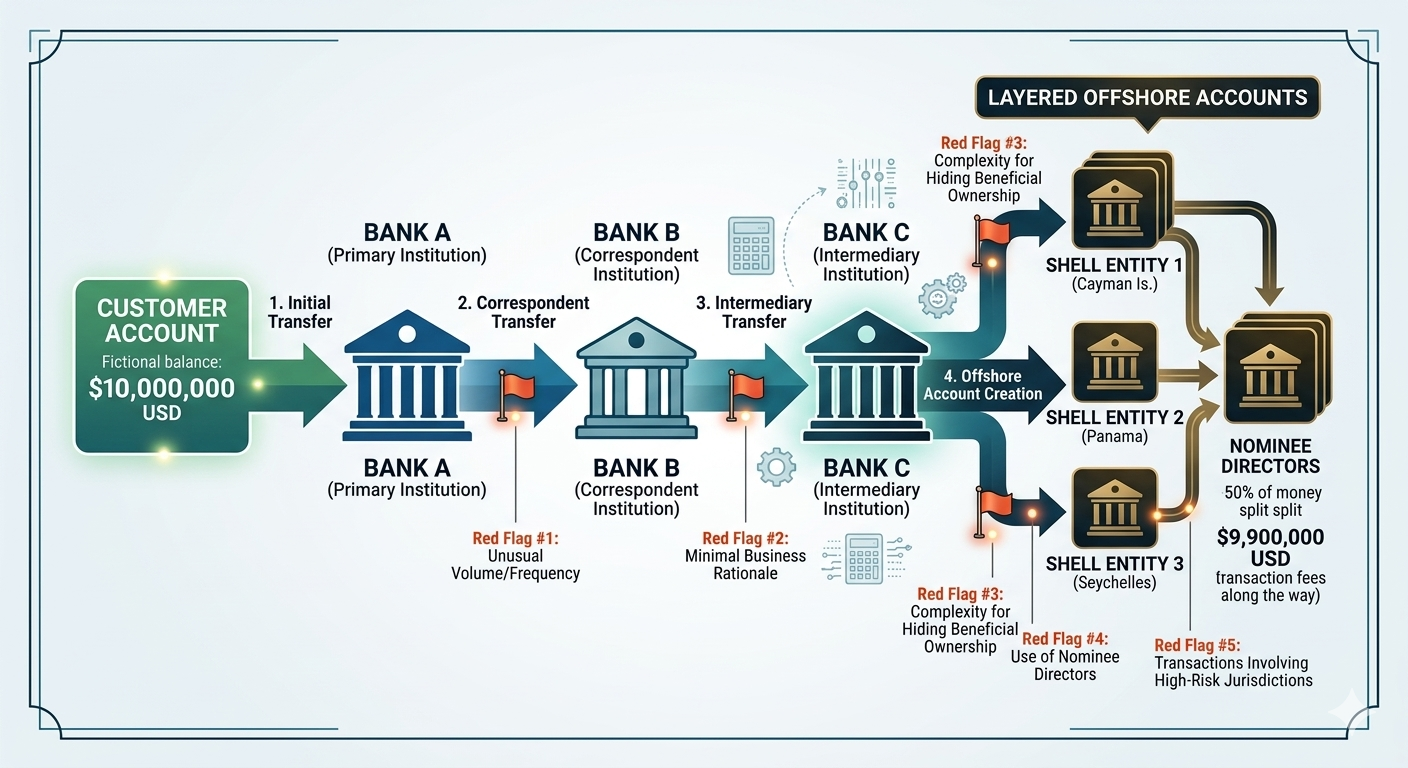
• transaction patterns show clear anomalies
• large transfers are inconsistent with account behavior
• funds move rapidly through high-risk jurisdictions
Banks operate under obligations such as anti-money laundering monitoring and suspicious activity reporting.
When those systems fail to act, the question becomes:
Is that just a missed alert, or a breach of duty?
What Most Victims Still Don’t Realize
The majority of victims still believe:
“I authorized the transfer, so there’s nothing I can do.”
But that assumption is increasingly outdated.
Because in complex fraud cases:
• liability may extend beyond the scammer
• financial institutions may be part of the legal equation
• recovery may depend on how the case is structured
The real issue is not just the fraud itself.
It is how responsibility is distributed across the financial system.

From Scam to Structured Financial Dispute
Turning a scam loss into a viable recovery case requires:
• forensic analysis of transaction flows
• identification of institutional failures
• cross-border legal coordination
• capital to pursue complex litigation
This is not something most victims can navigate alone.
And it is where the gap becomes clear.
Why This Is a Banking Problem Too
Even for banks, this trend is escalating.
Fraud is growing at roughly 20% year-on-year, particularly through real-time payment systems where reversals are difficult.
At the same time, enforcement bodies and courts are increasing scrutiny.
Banks are no longer just intermediaries.
They are becoming central actors in fraud-related disputes.

The Emerging Recovery Infrastructure
As fraud evolves, so does recovery.
What is emerging globally is a more structured approach:
• connecting victims with legal expertise
• aligning cases with litigation funding
• enabling cross-border enforcement strategies
Platforms like ALTIX sit within this shift.
Not as a replacement for legal systems, but as infrastructure that enables cases to move forward.
Because increasingly, the challenge is not identifying fraud.
It is activating recovery in a system that was not designed for it.
If you or your clients have suffered losses from investment scams, large-value transfers, or complex cross-border fraud:
The critical question is not whether the funds are gone.
It is whether the case has been properly assessed as a financial dispute.
If you are a victim, legal professional, or funding partner looking to explore structured recovery:
📩 info@altix.exchange
🌐 www.altix.exchange
Because in today’s environment, recovery is no longer about chance.
It is about strategy, structure, and the willingness to challenge the system.