



The phone call sounds legitimate.
The caller knows your name.
They know your bank.
They know there has been “suspicious activity” on your account.
Then comes the instruction:
“To protect your funds, transfer them into a safe account temporarily.”
Within minutes, the money is gone.
Globally, this type of fraud is now becoming one of the fastest-growing scam models targeting both consumers and businesses.
And unlike traditional fraud schemes, these scams exploit something deeper:
Trust in the financial system itself.

The Rise of “Safe Account” Fraud
Authorities across multiple countries have recently warned of a sharp increase in scams where victims are manipulated into moving funds into accounts controlled by fraudsters.
These operations often involve:
• spoofed bank phone numbers
• impersonation of fraud departments or regulators
• real-time social engineering
• pressure tactics tied to urgency and fear
What makes these scams particularly effective is that victims often believe they are actively cooperating with their bank’s security process.
In reality, they are unknowingly authorizing their own loss.
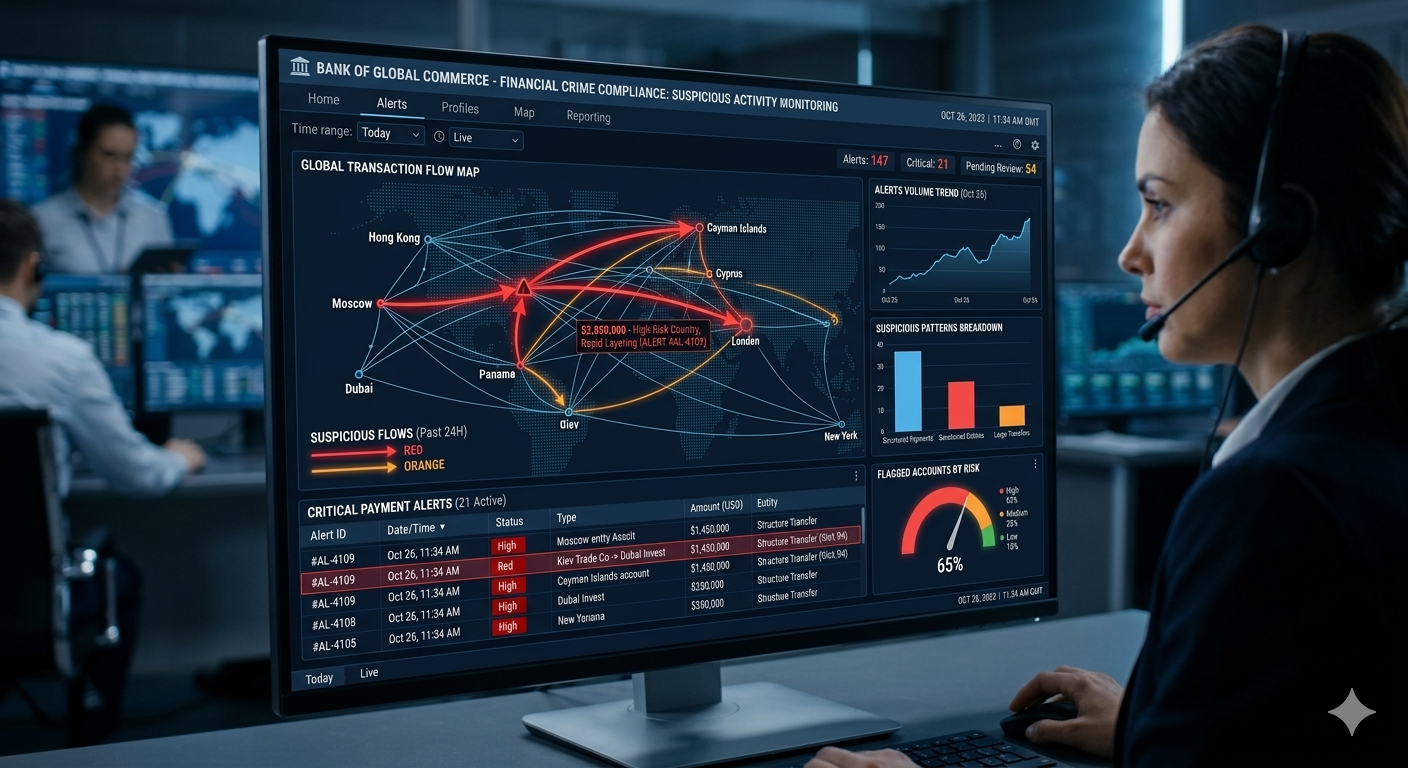
Why This Scam Is Different
Traditional fraud typically relied on stealing credentials.
This model relies on something more powerful:
Manipulating trust inside regulated financial systems.
Victims are not “hacked.”
Instead:
• they are guided step-by-step
• transfers appear legitimate
• transactions pass through normal banking infrastructure
Which creates a difficult question:
When a scam is engineered through the banking process itself, where does responsibility sit?
The Institutional Accountability Shift
Globally, regulators and courts are increasingly examining whether banks should have intervened earlier in these situations.
Because many cases involve:
• unusual payment behavior
• rapid transfers to newly introduced accounts
• patterns associated with known scam typologies
• warning indicators visible within transaction systems
The core issue is no longer simply:
“Did fraud occur?”
It is:
“What did the institution know, and what should it have done?”
What Most Victims Never See
Most victims assume the transaction looked normal internally.
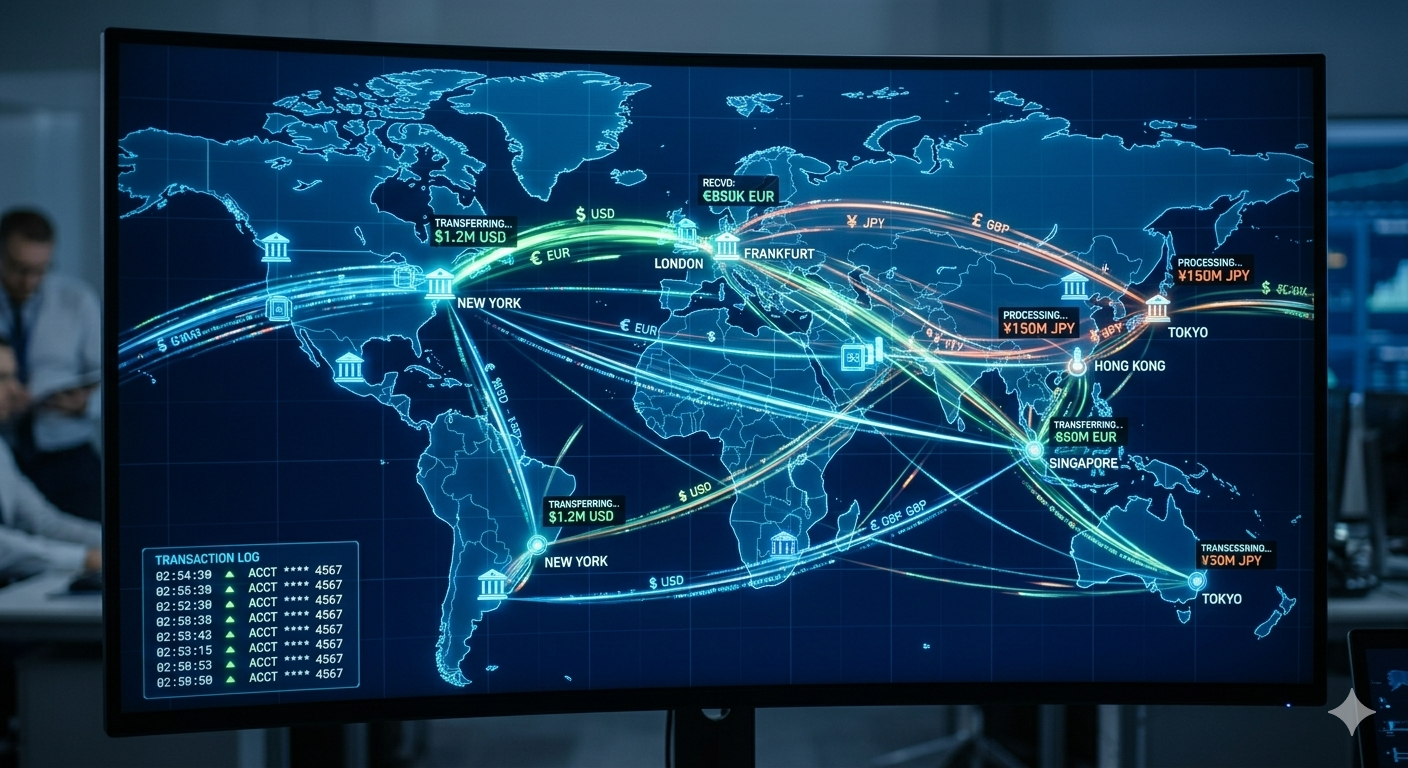
But banking systems are designed to monitor for anomalies.
This includes:
• behavioral changes
• unusual transfer destinations
• transaction velocity
• high-risk payment patterns
In many cases, the question becomes whether:
• alerts were generated
• escalation processes were followed
• intervention thresholds were met
This is where scams evolve into structured financial disputes.

Where Banking Experience Changes Everything
Understanding these cases requires more than legal expertise.
It requires insight into:
• AML monitoring systems
• fraud escalation workflows
• payment authorization structures
• operational decision-making inside banks
Because fraud today succeeds not just through deception,
but through gaps between systems, operations, and human response.
This is where executive-level banking and AML experience becomes critical.
The Hidden Challenge: Speed
Modern scam operations are optimized for speed.
Funds are often:
• transferred across multiple institutions rapidly
• layered through intermediary accounts
• moved internationally within hours
This means recovery depends heavily on:
• rapid tracing
• freezing strategies
• coordinated legal action
• understanding institutional response timelines
Without structure, the recovery window closes quickly.
From Scam Victim to Financial Claim
One of the biggest global shifts today is this:
Victims are increasingly reframing losses not as isolated incidents,
but as disputes involving institutional accountability.
This includes examining:
• transaction handling
• fraud response timing
• warning systems
• customer protection obligations
The result is a growing wave of sophisticated financial disputes tied directly to scam losses.

The Emerging Recovery Ecosystem
As scams become more industrialized, recovery is becoming more structured.
Today, successful recovery often requires coordination between:
• investigators
• legal teams
• AML specialists
• litigation strategists
• funding infrastructure
Platforms like ALTIX sit within this evolving ecosystem, helping connect complex cases with legal and financial pathways capable of pursuing recovery at scale.
Because modern fraud recovery is no longer reactive.
It is strategic.
The most dangerous scams today do not bypass the financial system.
They operate through it.
That changes everything.
Because the future of fraud recovery will increasingly depend on understanding:
• how systems processed transactions
• where warning signs existed
• how institutions responded under pressure
For victims, legal professionals, and strategic partners navigating complex scam-related losses:
The next step is not simply reporting fraud.
It is building a structured recovery strategy grounded in financial system expertise.
If you are dealing with high-value scam losses, cross-border fraud, or disputes involving financial institutions:
📩 info@altix.exchange
🌐 www.altix.exchange
Because recovery today depends on more than tracing money.
It depends on understanding the system behind it.