



When Governments Step In, The Rules Change
For years, scam victims were told the same thing:
“You authorized the transaction.”
End of discussion.
But that narrative is beginning to shift.
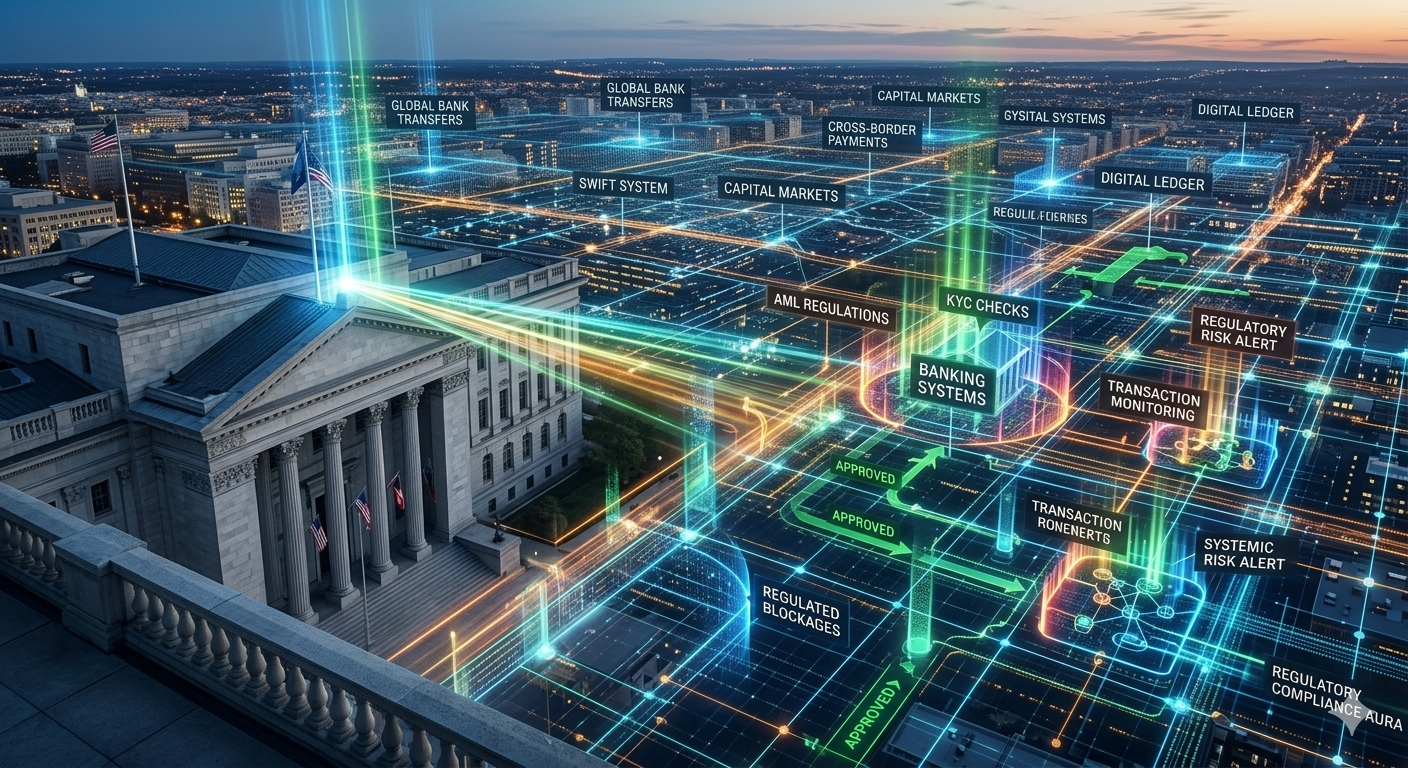
A new wave of government-led anti-scam reforms is forcing banks, platforms, and financial institutions to rethink their role in fraud.
Not as passive processors,
but as active participants in a system that either stops or enables financial crime.
The New Regulatory Direction
Recent policy developments signal a clear shift:
• Governments are introducing stricter anti-scam frameworks
• Financial institutions are expected to detect and intervene earlier
• Liability is being redistributed across the system
At the core of these reforms is a simple idea:
Fraud is no longer just a customer problem.
It is a system responsibility.
Why Banks Are Paying Close Attention
While these reforms aim to protect consumers, they also reflect something deeper:
Banks are being formally recognized as critical control points.
Because in almost every fraud case:
• the transaction passes through a regulated institution
• monitoring systems detect unusual patterns
• decisions are made in real time whether to intervene
And now, those decisions are coming under scrutiny.
The Hidden Tension Inside the System
From the outside, fraud appears straightforward.
From the inside, it is anything but.
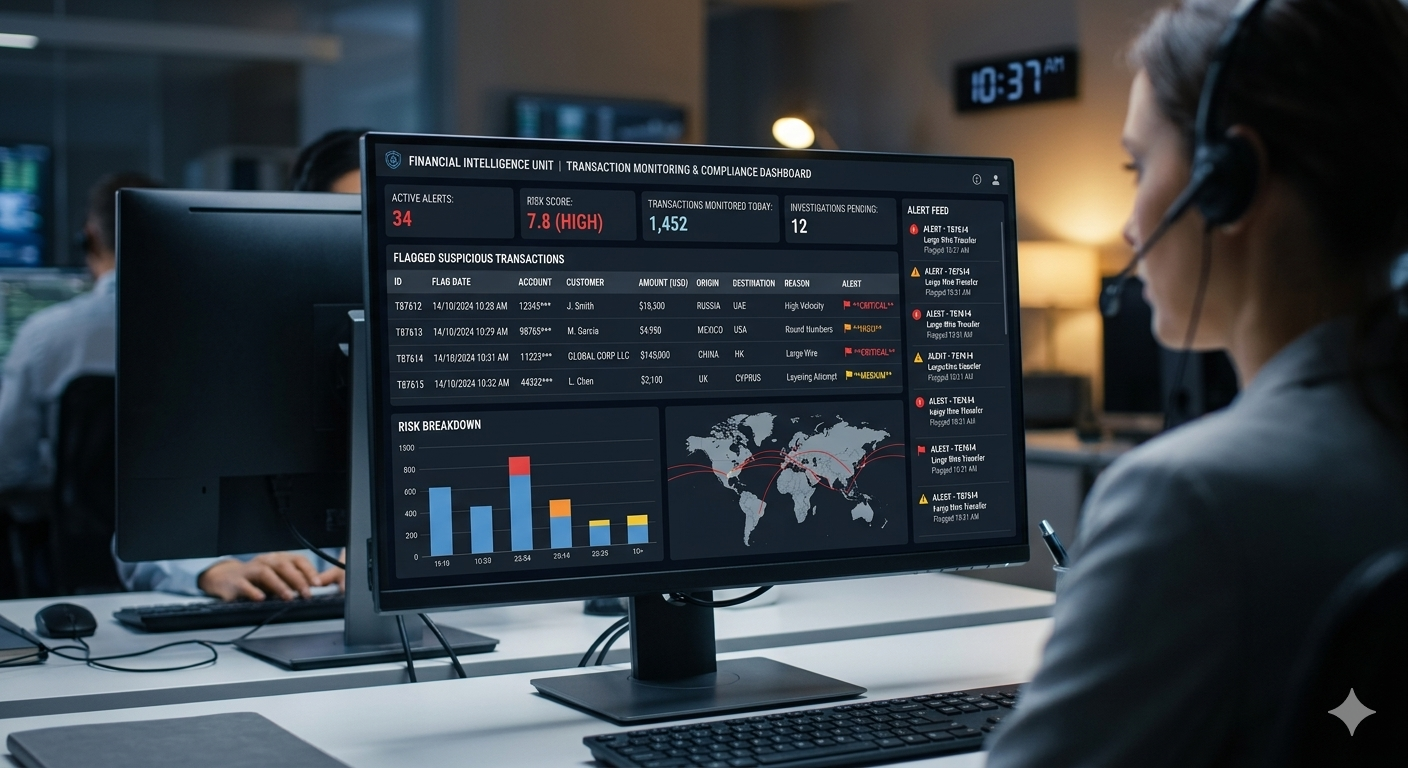
Banks operate under competing pressures:
• speed of transactions vs risk controls
• customer experience vs fraud prevention
• operational efficiency vs regulatory compliance
This creates gaps.
And fraud exploits those gaps.
What Most Victims Still Don’t Understand
Many victims believe:
“If the bank didn’t stop it, it must not have been detectable.”
But that is not always the case.
In reality:
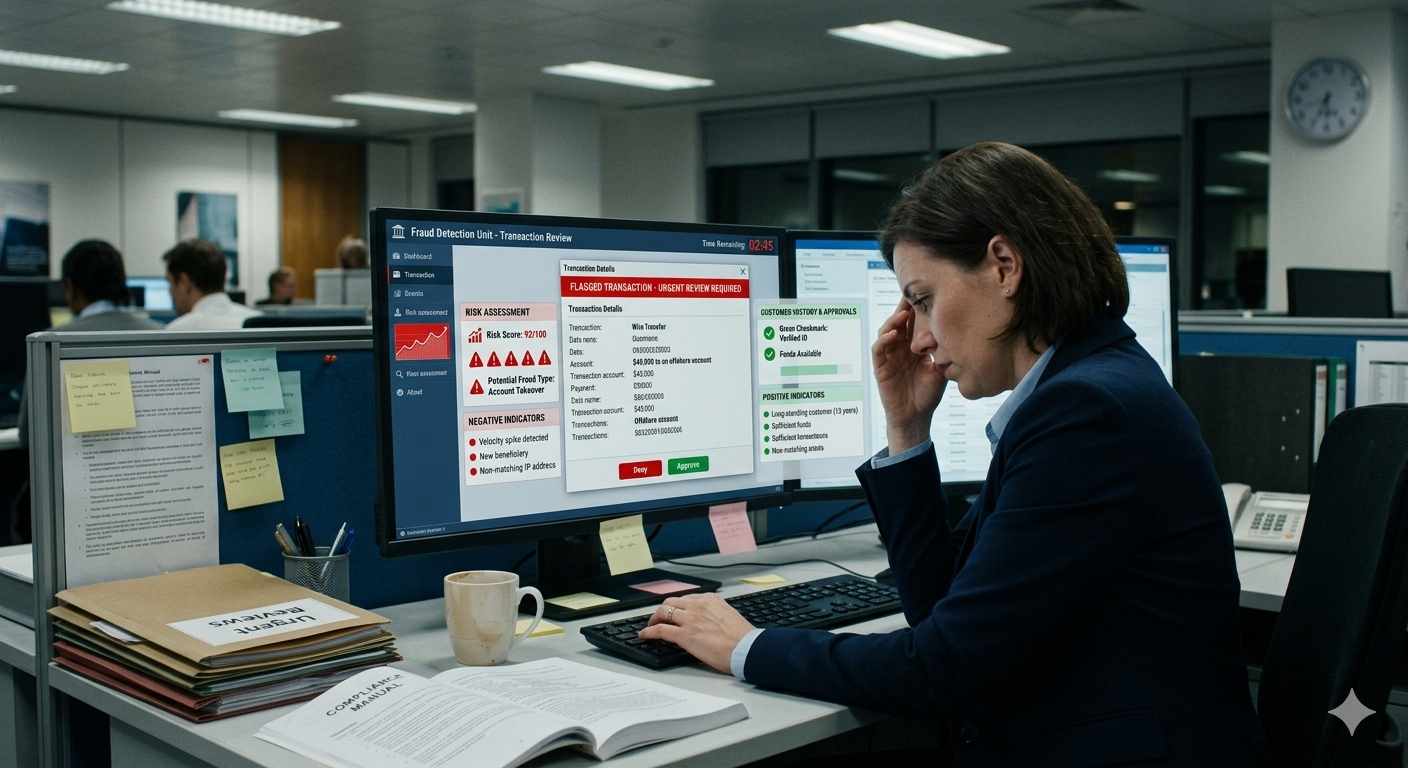
• transaction monitoring systems often flag anomalies
• unusual payment behavior can be identified
• internal escalation processes exist
The real question becomes:
What happened after the signal was detected?
From Fraud to Financial Dispute
This is where the shift becomes critical.
When fraud is viewed through a regulatory lens, it evolves into something else:
A financial dispute involving system-level accountability.
Key questions emerge:
• Were warning signs present?
• Were they acted upon appropriately?
• Did the system respond in line with expected standards?
These are not technical questions.
They are legal ones.
Why This Changes Recovery Completely
Historically, recovery focused on:
• tracing funds
• identifying perpetrators
Now, it increasingly involves:
• evaluating institutional behavior
• assessing compliance with regulatory expectations
• identifying points where intervention could have occurred
This creates a different type of case.
Not just against fraudsters
but against the system that processed the transaction.

Where Experience Inside Banking Matters Most
Understanding these cases requires more than legal theory.
It requires deep insight into:
• AML frameworks
• transaction monitoring thresholds
• internal escalation pathways
• how decisions are actually made in real time
Because the difference between:
• a dismissed claim
and
• a viable recovery case
often comes down to understanding how the bank operated internally.
The Emerging Reality: Accountability Is Expanding
What we are seeing globally is not an isolated regulatory update.
It is part of a broader shift:
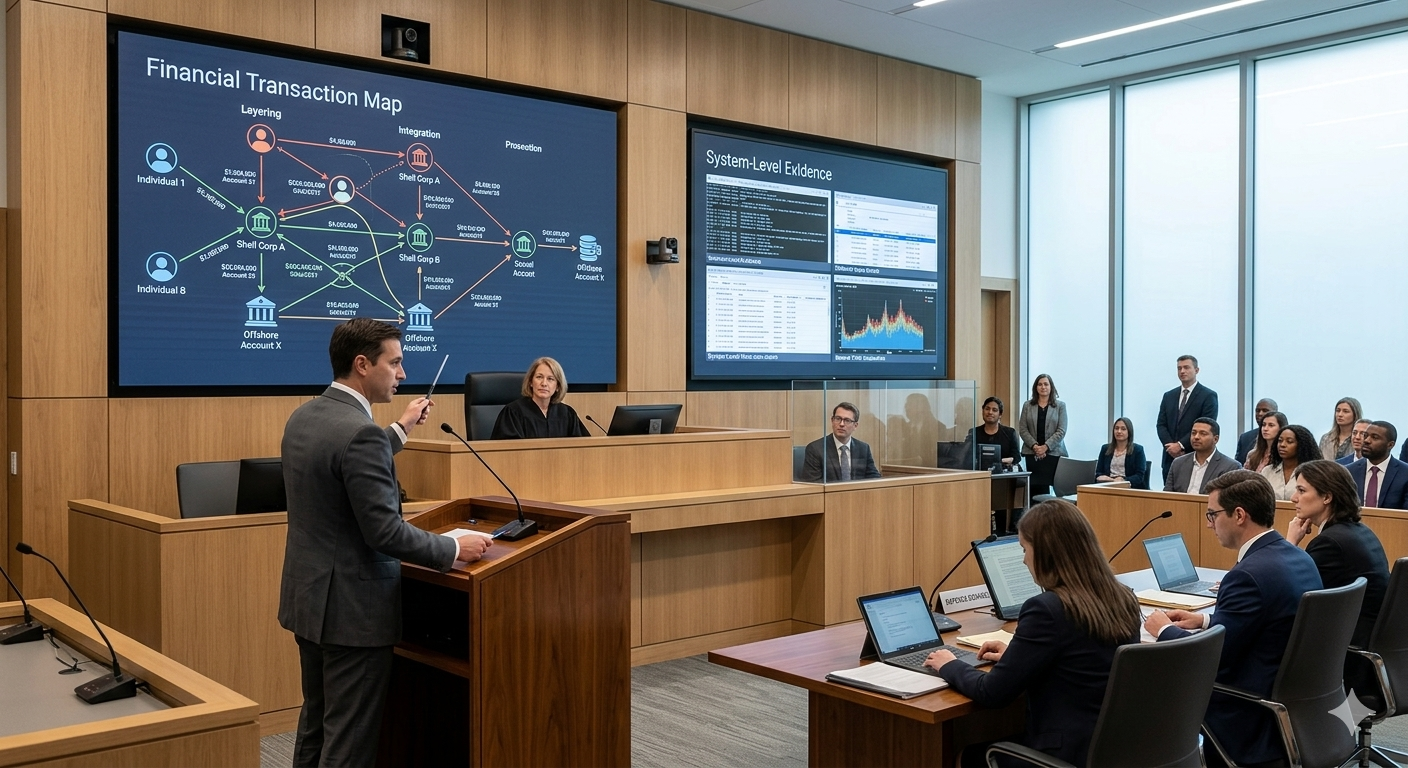
• fraud is becoming system-level risk
• liability is expanding beyond the end user
• financial disputes are becoming more complex and structured
This is redefining how recovery works.
The most important change is not the regulation itself.
It is what it represents.
A recognition that fraud is not just about deception.
It is about how systems respond to it.
And when those systems fail,
accountability follows.
For victims, legal professionals, and partners navigating high-value fraud cases:
The next step is not just reporting the loss.
It is structuring the case correctly from the beginning.
If you are dealing with complex fraud, institutional disputes, or cross-border financial loss:
📩 info@altix.exchange
🌐 www.altix.exchange
Because recovery today depends on understanding
not just what happened,
but how the system allowed it to happen.