


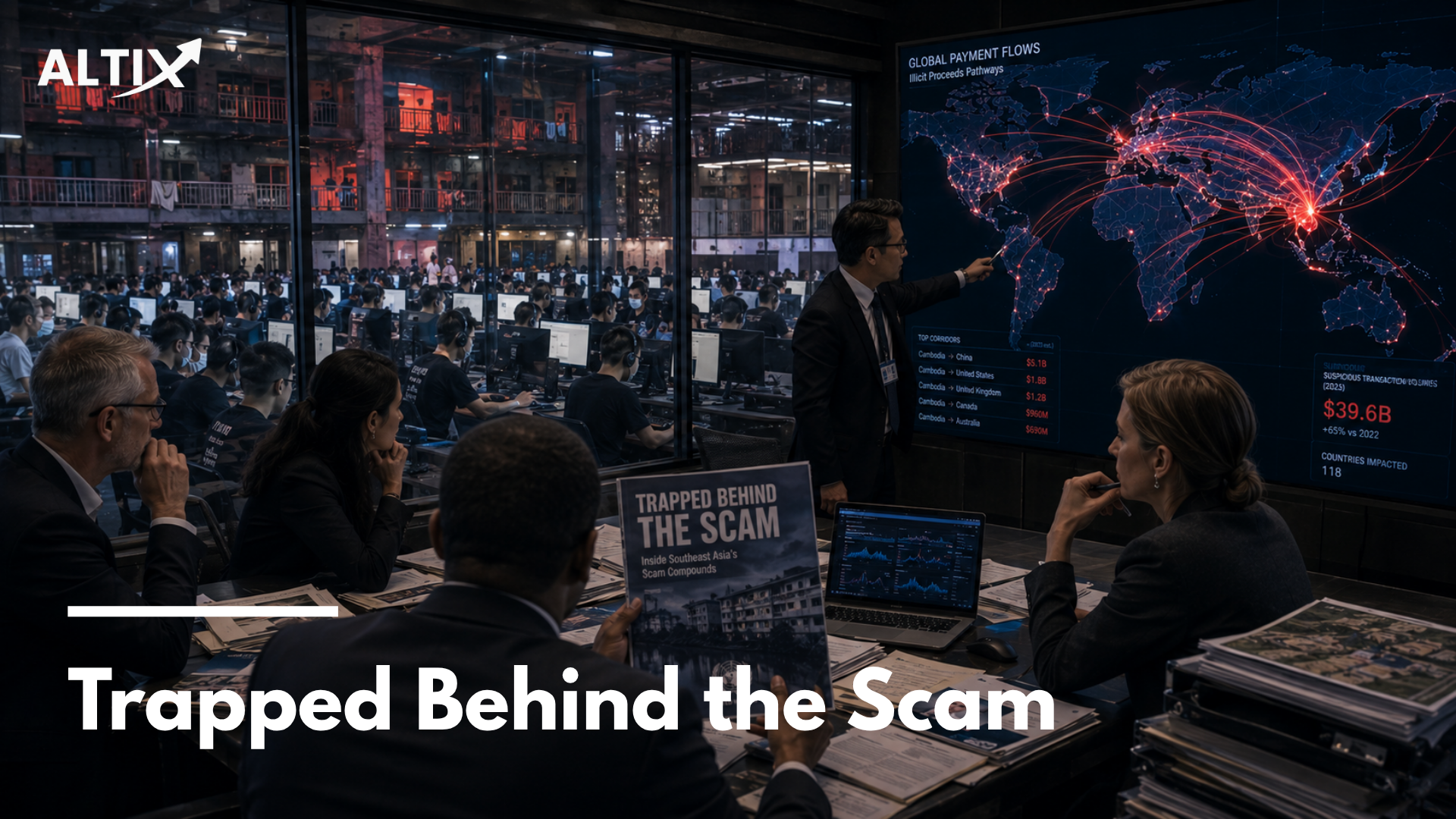
Every week, we read another headline about online fraud.
Someone loses their life savings.
A fake investment platform disappears overnight.
A romance scam drains retirement accounts.
A business transfers millions to a fraudulent supplier.
But this week, the United Nations asked the world to look at these scams differently.
To mark World Day Against Trafficking in Persons, the UN launched its 2026 campaign, "Trapped Behind the Scam." The campaign highlights how thousands of people are trafficked into heavily guarded scam compounds and forced to conduct industrial-scale online fraud under threats of violence, debt bondage and abuse.
That changes the conversation.
Because today's scams are no longer just cybercrime.
They are organized financial crime built on exploitation.
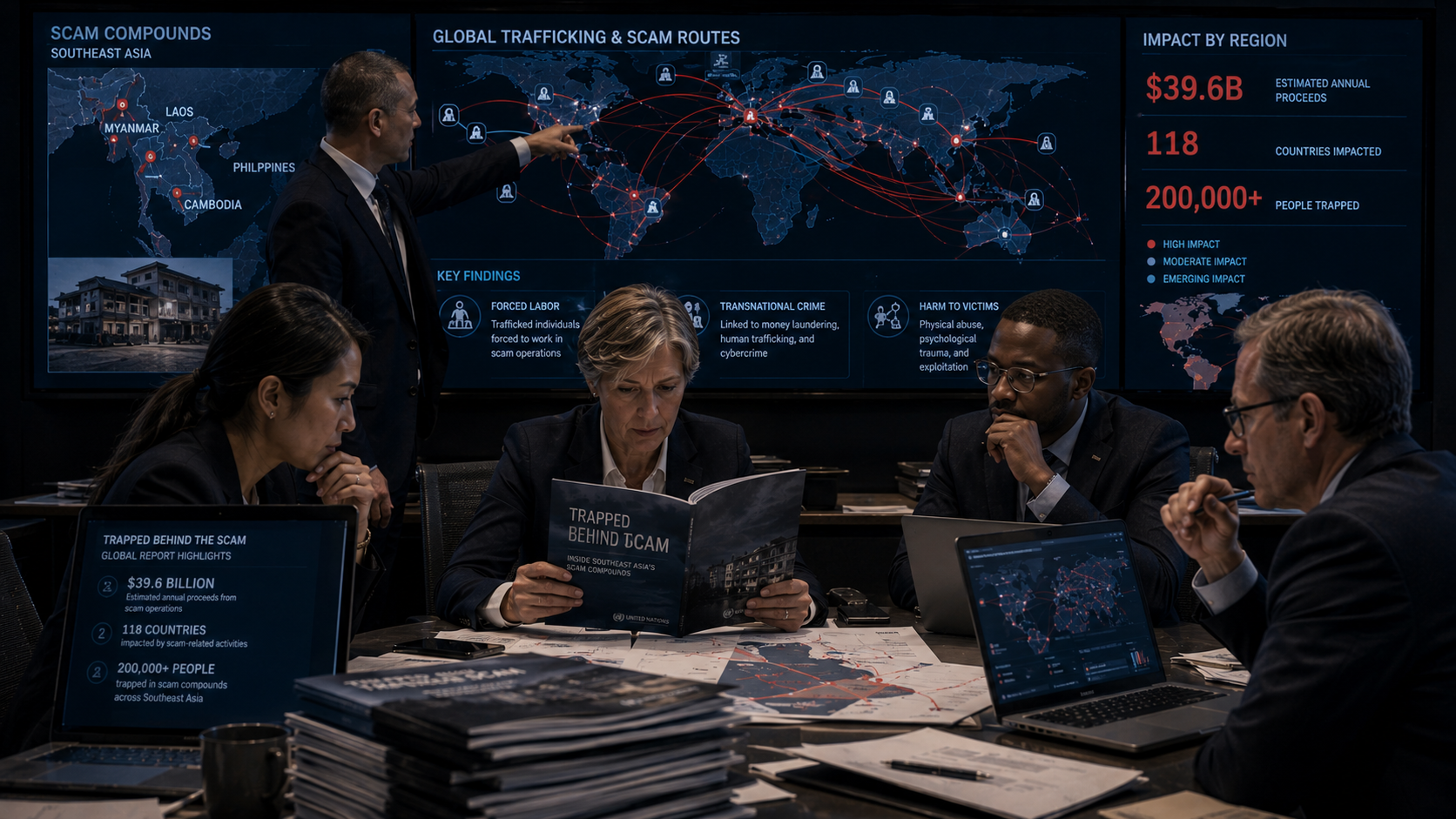
The Scam You See Is Only the Surface
Victims usually interact with one person.
A "relationship manager."
An "investment adviser."
A "customer support representative."
Behind that single conversation often sits an organized operation with hundreds of workers, scripted conversations, technology teams, money laundering specialists and financial coordinators.
Many are willing criminals.
Some are victims themselves.
The fraud, however, remains very real.
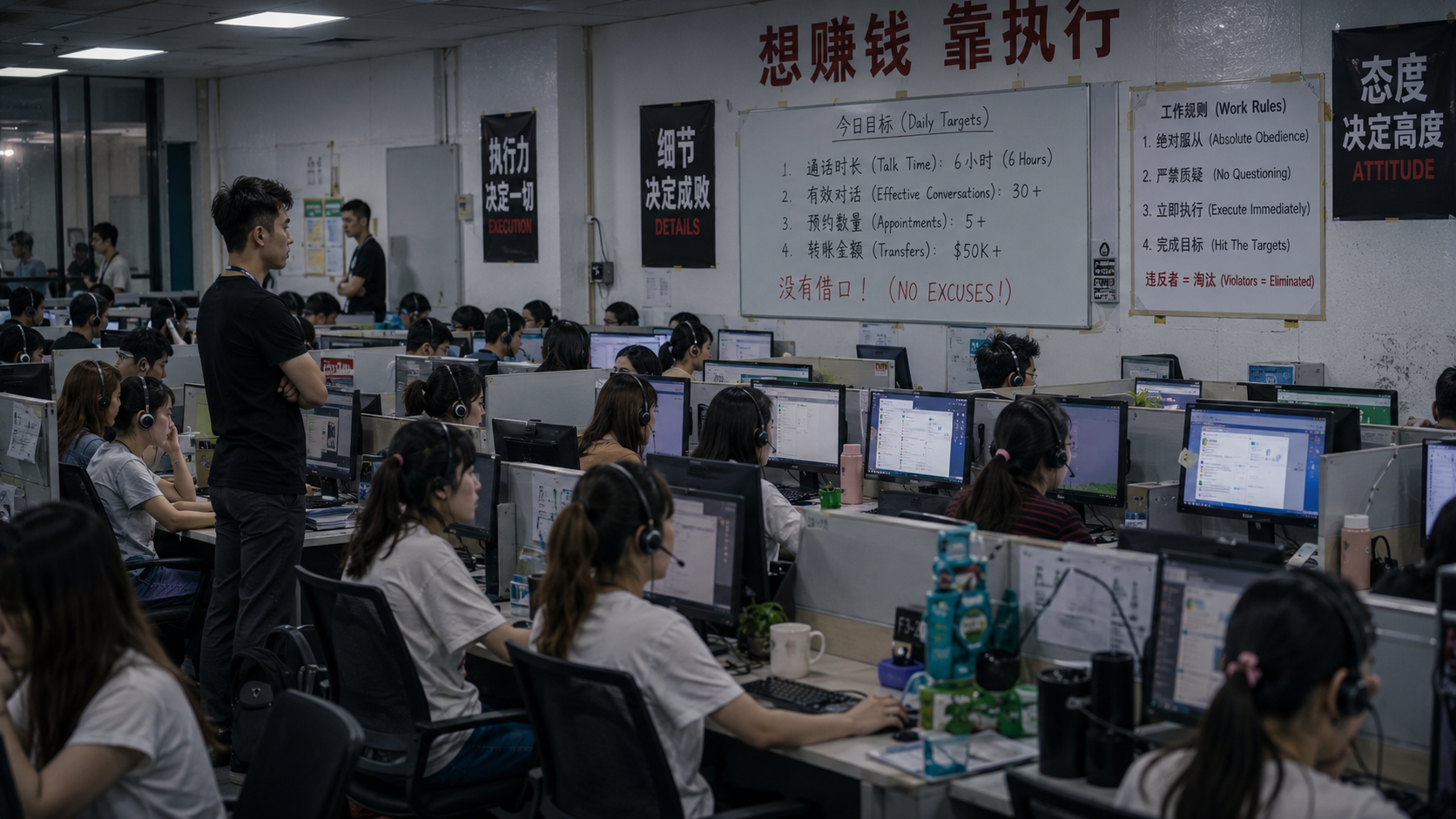
The Banking System Becomes the Next Battleground
No matter where a scam begins, every successful fraud eventually reaches the financial system.
Funds move through:
- bank accounts
- payment processors
- correspondent banks
- cryptocurrency exchanges
- money mule networks
Every transfer creates evidence.
Every transaction creates an opportunity to identify unusual activity.
Banks cannot stop every scam.
But increasingly, they are expected to detect suspicious patterns, strengthen AML controls and cooperate quickly once fraud is identified.
That is where financial investigations become critical.

Recovery Begins by Following the Money
One of the biggest misconceptions in financial fraud is that recovery depends on finding the scammer.
In reality, experienced investigators first follow the money.
Where did it go?
Which institutions processed it?
Were suspicious activity indicators present?
Could accounts have been frozen?
Was cross-border cooperation initiated quickly enough?
These questions are no longer simply criminal investigations.
They are becoming sophisticated financial disputes built on evidence, payment data and institutional processes.
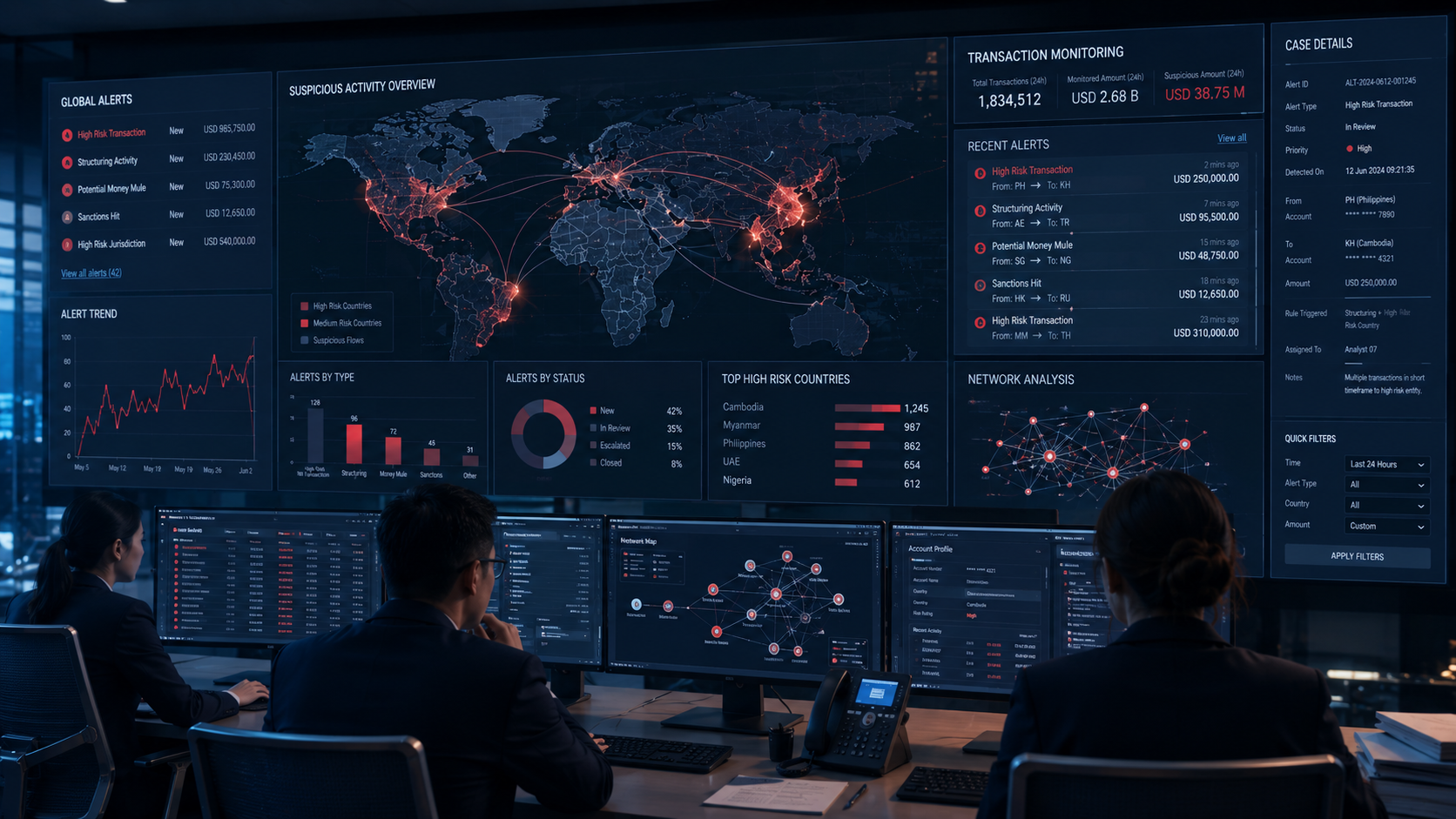
Experience Inside Banking Matters
Having spent years inside banking and financial crime management, I have seen how financial institutions investigate suspicious transactions.
Fraud monitoring.
AML alerts.
Correspondent banking.
Sanctions screening.
Operational escalation.
These systems exist because financial crime rarely follows a straight line.
Understanding how those systems work often becomes just as important as understanding the fraud itself.
A New Role for Litigation Finance
Complex international fraud cases require more than determination.
They require legal expertise.
Financial investigations.
Asset tracing.
Cross-border coordination.
Funding.
That is why litigation finance is becoming an increasingly important part of access to justice.
Strong claims deserve the resources needed to pursue meaningful recovery.
The Bigger Lesson
The UN campaign reminds us that today's fraud industry is bigger than any single scam.
It is a global criminal economy supported by technology, money laundering networks and cross-border financial infrastructure.
The response cannot rely on law enforcement alone.
Banks.
Regulators.
Investigators.
Law firms.
Litigation funders.
Technology companies.
Each has a role to play.
The people trapped behind scam compounds deserve justice.
So do the victims whose savings finance these criminal enterprises.
Recovery starts with understanding how money moved, where evidence exists and what legal pathways remain available.
At ALTIX, we work alongside experienced legal professionals, financial investigators and funding partners to help claimants pursue structured recovery in complex financial disputes.
Our banking, AML and financial crime experience enables us to understand not only how fraud occurs, but how recovery can be strategically pursued.
If you are a fraud victim, legal professional, investigator or institutional partner exploring recovery options, we'd welcome the opportunity to discuss your case.
Because financial recovery should never end with reporting the crime.
It should begin with understanding the financial system behind it.
Sources
- United Nations, World Day Against Trafficking in Persons 2026: "Trapped Behind the Scam."
- Reuters coverage of the UNODC findings on the global expansion of scam compounds.